

The Rise of Stick Pack Packaging
Stick pack packaging is one of the most practical answers to a simple modern demand: consumers want products that are convenient, portable, hygienic, and accurately portioned. Long before stick packs became common, products such as sugar, coffee, powders, supplements, condiments, and pharmaceutical ingredients were often sold in larger packs or manually portioned into smaller containers. This worked for traditional retail, but it was less suitable for modern lifestyles shaped by travel, convenience stores, hospitality, e-commerce, and on-the-go consumption.
A stick pack is a slim, narrow, single-serve package designed for powders, granules, liquids, gels, and other portion-controlled products. Its shape makes it easy to carry, easy to open, and easy to use. This is why stick pack packaging has become widely used in food, beverage, pharmaceutical, nutraceutical, cosmetic, and consumer goods industries. Viking Masek describes stick pack as a format that combines speed, precision, convenience, accurate dosing, and high production efficiency.
From Manual Portioning to Stick Pack Machines
Before automated stick pack machines, single-dose products were often packed by hand or in simple sachets, tins, jars, bottles, or paper envelopes. Manual packaging was slow, inconsistent, and difficult to scale. For manufacturers, this created problems with labour costs, dosing accuracy, hygiene, and production capacity.
As industrial production grew, packaging had to become faster and more reliable. The development of vertical form fill seal technology made it possible to form a package from roll-fed film, fill it with product, and seal it automatically. Stick pack machines took this principle and adapted it to narrow, single-serve packaging.
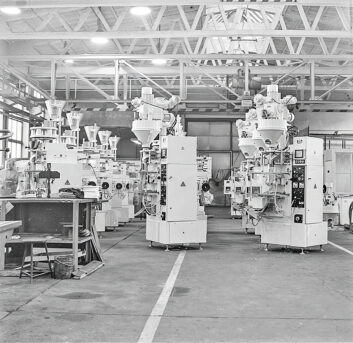
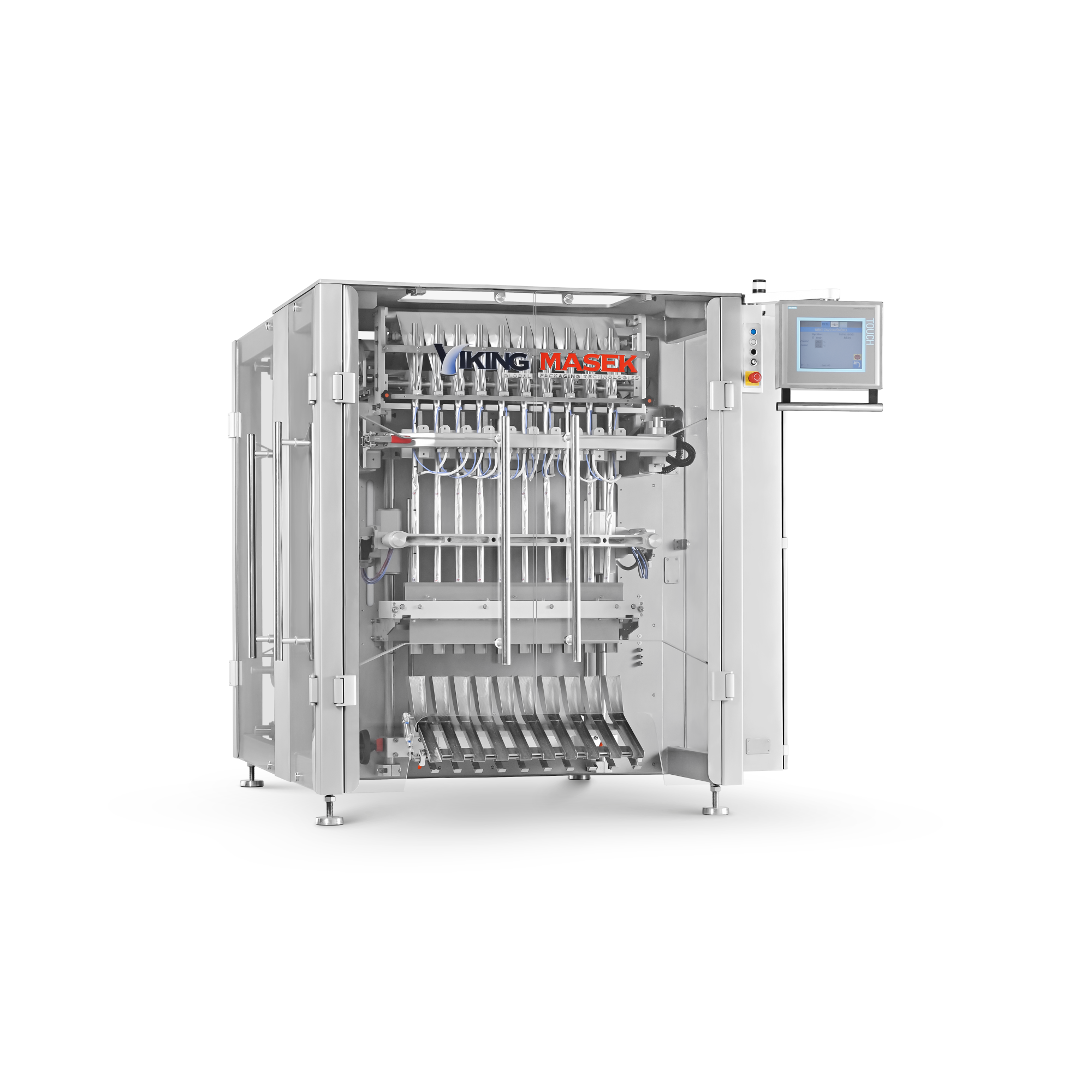
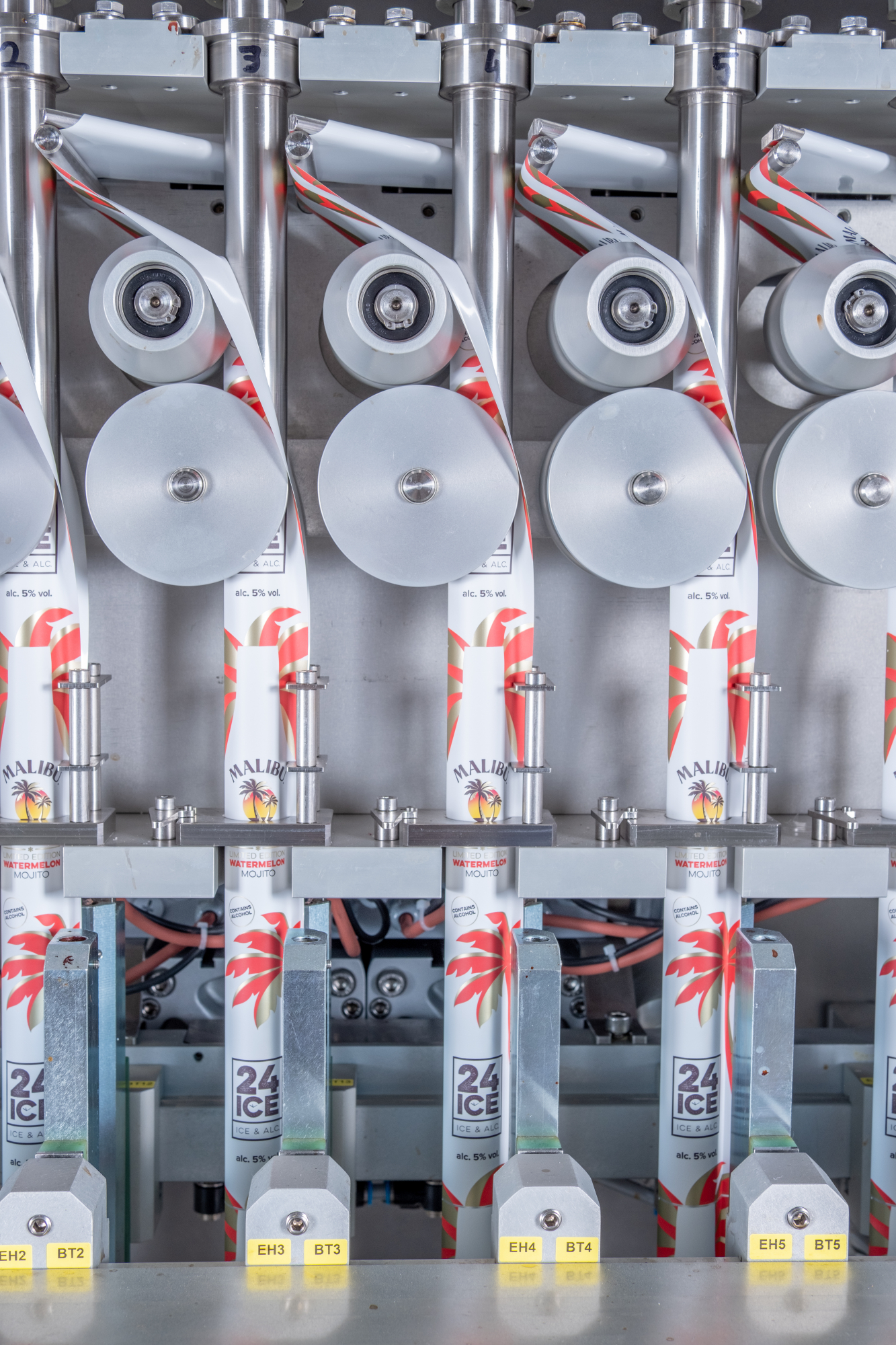
In a modern stick pack machine, film is unwound from a roll, cut into narrow strips, formed into tubes, sealed lengthwise, filled with product, cross-sealed, and cut into individual stick packs. This process allows manufacturers to create multiple stick packs at the same time using multilane technology. Viking Masek’s own description of the process highlights this same sequence: film unwinding, cutting into strips, forming, longitudinal sealing, filling with powders, loose mixtures, or liquids, cross sealing, cutting, and further transport by conveyors.
Why Stick Packs Became Popular in the UK Market
The UK market is particularly well suited to stick pack packaging. British consumers are used to convenient, portion-controlled products across retail, hospitality, healthcare, sports nutrition, and food service. Stick packs fit naturally into categories such as instant coffee, drink powders, sugar, sweeteners, protein supplements, collagen, vitamins, sauces, condiments, pharmaceuticals, and nutraceuticals.
For UK food and beverage manufacturers, stick packs offer an efficient way to create single-serve products for supermarkets, hotels, cafés, restaurants, vending, online retail, travel, and sampling campaigns. For pharmaceutical and nutraceutical brands, they provide accurate dosing, product protection, and a user-friendly format.
Market reporting focused on the United Kingdom notes that food and beverages are expected to represent a major share of UK stick packaging use in 2026, driven by demand for portion-controlled, single-serve, and on-the-go formats. The same report connects stick packs with convenience, dosing accuracy, easy storage, instant beverages, drink powders, condiments, and nutritional supplements.
Stick Pack Technology for UK Manufacturers
For UK manufacturers, stick pack technology is not only about packaging style. It is about production efficiency, product consistency, and commercial flexibility. A single stick pack machine can help brands launch trial packs, multipacks, travel-size products, subscription formats, retail display cartons, and single-dose healthcare products.
This is especially important in the UK, where competition in food, beverage, health, wellness, and private-label manufacturing is strong. Brands need packaging that looks modern, reduces waste, protects the product, and supports fast product launches. Stick pack packaging allows companies to respond quickly to changing consumer habits without compromising dosing accuracy or packaging quality.
From a manufacturing perspective, stick pack machines can be integrated with dosing systems, conveyors, printers, checkweighers, cartoners, inspection systems, and secondary packaging equipment. This makes them suitable not only for standalone production but also for complete automated packaging lines designed for high-volume UK operations.
Engineered in Vlašim for the UK Packaging Industry
Although the demand may come from the UK market, the engineering behind the solution can come from Vlašim in the Czech Republic. Vlašim has become closely connected with advanced packaging machinery through Viking Masek, a company with more than 60 years of experience in packaging technologies and a global presence in packaging machines and lines.
This connection is important. UK manufacturers looking for packaging automation do not only need a machine. They need engineering knowledge, machine reliability, service support, and a manufacturer capable of understanding demanding production environments. Viking Masek combines Czech engineering tradition with modern packaging automation, offering solutions that can be manufactured in Vlašim and supplied to customers serving the UK market.
Viking Masek and Stick Pack Packaging Machines
Viking Masek offers stick pack packaging machines as part of a broader portfolio of automated packaging solutions. Our website presents packaging machines ranging from compact equipment to powerful intermittent and continuous packaging solutions designed for precision, speed, and long-term reliability.
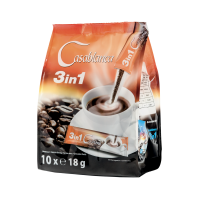
For UK manufacturers, Viking Masek stick pack machines can support products such as coffee, drink mixes, powdered supplements, liquids, gels, powders, and loose mixtures. This flexibility makes the technology suitable for companies producing food, beverages, nutraceuticals, pharmaceuticals, cosmetics, and consumer goods.
The key advantage of a modern stick pack machine is its ability to combine accurate dosing with high production efficiency. Each stick pack must contain the correct amount of product, be sealed properly, and maintain a consistent appearance. This is essential for UK brands that sell through supermarkets, pharmacies, hospitality suppliers, online platforms, and contract manufacturing channels.
Stick Packs, Sustainability, and UK Packaging Requirements
Sustainability is becoming increasingly important across the UK packaging industry. Brands are under pressure to reduce unnecessary packaging, improve recyclability, lower material consumption, and respond to regulatory and retail expectations. Stick packs can support these goals because their slim format may use less packaging material than some alternative single-serve formats while still delivering portion control and product protection.
However, sustainability is not only about the package shape. It also depends on film structure, material selection, recyclability, production waste, and machine performance. Modern stick pack machines must therefore be able to work with evolving packaging materials while maintaining reliable sealing, accurate dosing, and high production speeds.
For UK manufacturers, this is a key reason to invest in advanced packaging automation. The right stick pack equipment can help reduce waste, improve production efficiency, and support more sustainable product formats.
The Future of Stick Pack Packaging in the UK
The future of stick pack technology in the UK will be shaped by convenience, health and wellness, sustainability, and automation. Consumers will continue to expect products that are easy to carry, easy to dose, and easy to use. Manufacturers will continue to look for packaging machines that reduce costs, improve flexibility, support recyclable materials, and integrate with digital factory systems.
As Industry 4.0 becomes more important, stick pack machines will increasingly provide production data, remote diagnostics, performance monitoring, and integration with complete packaging lines. This will help UK manufacturers improve uptime, reduce downtime, and make packaging operations more efficient.
Viking Masek is well positioned within this development because it connects advanced machine engineering, practical automation knowledge, and international packaging experience. From Vlašim, the company can support the needs of UK manufacturers looking for reliable stick pack packaging machines and complete automated packaging solutions.
From Czech Republic (Vlašim) to the UK Market
The history of stick pack technology is a story of how packaging adapts to the way people live, buy, and consume products. What began as a simple idea — one accurate portion in one convenient package — has become one of the most important formats in modern flexible packaging.
For the UK market, stick packs offer a strong solution for food, beverage, pharmaceutical, nutraceutical, and consumer goods manufacturers. They support convenience, hygiene, accurate dosing, efficient logistics, and modern retail formats.
Vlašim plays an important role in this story through Viking Masek. Packaging machines engineered and manufactured in Vlašim can help UK manufacturers automate production, improve efficiency, and deliver high-quality stick pack products to British consumers. From single-serve coffee and drink powders to supplements, pharmaceuticals, and liquids, stick pack technology continues to prove that the future of packaging belongs to smart, compact, and highly automated solutions.
Tags: stick pack machines manufactured in Vlašim for UK manufacturers, Czech packaging machinery for the UK market, Viking Masek stick pack technology for British food, beverage, pharmaceutical, and nutraceutical companies.